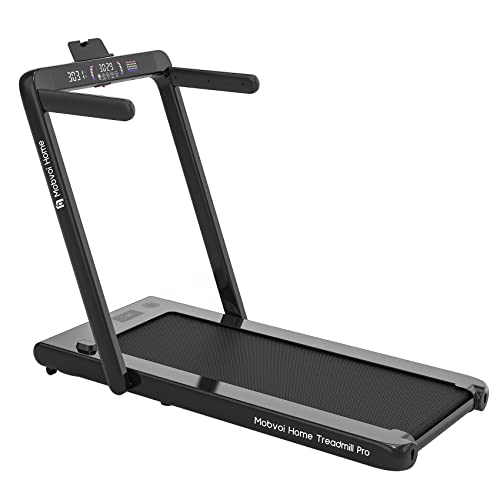
Treadmills: A Comprehensive Guide to Understanding Their Functionality, Benefits, and Appropriate Selection
Intro
Treadmills have actually ended up being a staple in contemporary physical fitness regimens, both in homes and fitness centers worldwide. They offer a practical and effective method to preserve cardiovascular health, boost endurance, and assist in weight management. This post explores the different kinds of treadmills, their benefits, features to consider when buying, and some FAQs to direct users in making notified choices.
Types of Treadmills
When it pertains to picking a treadmill, it is essential to comprehend the different types offered in the market. Here are the main categories:
1. Manual Treadmills
- Mechanism: These treadmills have a simple design and count on the user's efforts to move the belt.
- Pros: More economical, quieter operation, no electricity needed.
- Cons: Limited features, might not offer the same series of workout strength.
2. Motorized Treadmills
- Mechanism: Powered by a motor that drives the belt, enabling users to walk or run at a set pace.
- Pros: Greater range of speeds and inclines, equipped with many features such as heart rate displays and exercise programs.
- Cons: More expensive and might need more maintenance.
3. Folding Treadmills
- Mechanism: Designed for those with limited space, these treadmills can be folded for easy storage.
- Pros: Space-saving, typically motorized, versatile features.
- Cons: May be less durable than non-folding models.
4. Commercial Treadmills
- System: High-quality machines developed for use in fitness centers and fitness centers.
- Pros: Built to stand up to heavy use, advanced functions, often consist of warranties.
- Cons: Pricey and not perfect for home use due to size.
5. Curved Treadmills
- System: An unique style that permits users to propel the belt utilizing their own energy.
- Pros: Offers a more natural running experience, promotes better running kind.
- Cons: More costly and can be noisier.
| Treadmill Type | Pros | Cons |
|---|---|---|
| Manual | Budget-friendly, no electrical power needed | Minimal functions |
| Motorized | Variety of speeds, advanced features | Maintenance needed |
| Folding | Space-saving, frequently motorized | May do not have durability |
| Industrial | Built to last, professional-grade features | Pricey |
| Curved | Natural running experience, promotes great kind | Higher cost |
Benefits of Using Treadmills
Treadmills use various advantages that can add to one's total health and physical fitness objectives. A few of these advantages consist of:
- Convenient Workouts: Treadmills allow users to work out inside your home despite weather.
- Cardiovascular Health: Regular usage can enhance heart health by increasing endurance and promoting healthy circulation.
- Weight Management: Effective for burning calories, which assists in weight-loss and management.
- Customizable Workouts: Users can manage speed, slope, and duration to produce customized exercise experiences.
- Security: Treadmills provide a foreseeable surface, decreasing the danger of falls compared to outside running.
- Multifunctional: Many treadmills featured features like heart rate monitors, exercise programs, and even entertainment systems.
Choosing the Right Treadmill
When choosing a treadmill, possible purchasers should think about a number of key aspects:
Features to Consider:
- Motor Power: Typically determined in horsepower (HP), a motor strength of at least 2.5 HP is suggested for serious runners.
- Belt Size: A longer and broader belt accommodates numerous stride lengths, supplying convenience during exercises.
- Slope Settings: Adjustable slope features replicate outside hill running and can increase workout strength.
- Weight Capacity: Ensure the treadmill can support the user's weight for safety and durability.
- Console Features: Look for user-friendly dashboards, workout programs, and Bluetooth compatibility for streaming music or other functions.
Budget plan Considerations
- Under ₤ 500: Entry-level manual treadmills ideal for casual walkers.
- ₤ 500 - ₤ 1,500: Mid-range motorized treadmills that offer more features and better sturdiness.
- ₤ 1,500 - ₤ 3,000: High-end models with advanced technology, larger motors, and longer warranties.
- Over ₤ 3,000: Commercial-grade treadmills perfect for regular use in gyms or training facilities.
Frequently Asked Questions (FAQs)
1. How frequently should I utilize a treadmill?
It is suggested to use a treadmill a minimum of 3 to 5 times a week, integrating various intensity levels for best results.
2. Can Buy Running Machine drop weight by utilizing a treadmill?
Yes, constant use of a treadmill can contribute to weight reduction, especially when integrated with a well balanced diet plan and strength training.
3. What is the best speed to walk on a treadmill for beginners?
A speed of 3 to 4 miles per hour is a suitable variety for novices. It's vital to start sluggish and slowly increase rate as comfort and stamina improve.
4. Do I require to use a treadmill if I already run outdoors?
Utilizing a treadmill can supply extra benefits, such as controlled environments and varied exercises (incline, periods) that are not constantly possible outdoors.
5. How do I preserve my treadmill?
Regular maintenance consists of oiling the belt, cleaning up the deck and console, and checking the motor for optimal performance.
Treadmills are essential tools for those wanting to boost their fitness levels in a regulated and practical manner. With different types readily available, comprehending their functions and benefits is crucial for making an informed purchase. By considering individual workout requirements, space accessibility, and spending plan restrictions, people can find the most ideal treadmill that fits their way of life. Integrating treadmill exercises into a well balanced physical fitness routine can result in enhanced health outcomes and an enjoyable workout experience.